 |
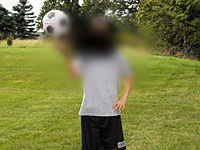
Macular degeneration - The macula is the centre of the retina and affords your sharpest vision. As adults get older, many experience damage to their retinas which can lead to an increasing loss of central vision in that region of their macula, hence the term macular degeneration. If you have this condition, you find it difficult, even impossible, to read or to recognise faces. As well, contours, shadows and colour vision are less vivid. Macular degeneration is the leading cause of ‘legal’ blindness and severe vision loss in Australia. For more information, just click mascular degeneration. |
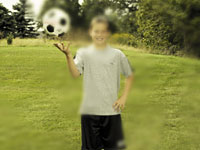 |
Cataract - A cataract is a clouding of your eye's natural lens, which lies behind the iris and pupil. Mostly consisting of water and protein, this lens adjusts your eye's focus, allowing you to see things both up close and at a distance. As you age, the protein that keeps the lens clear may clump together and start to cloud the lens. In time it can grow more cloudy, obstructing more and more light and making it harder and harder to see. Cataracts typically progress slowly but if left untreated they can lead to blindness. For more information, click cataract. |
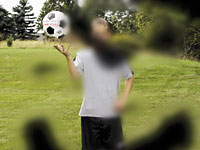 |
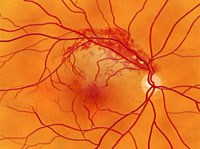
Diabetic retinopathy - If you have diabetes and have struggled with blood sugar control for years, the small blood vessels in your eyes' retinas may begin to swell, bleed or develop abnormal brush-like branches. In the early stages, they may produce no visual symptoms at all. But as the disease progresses, you will probably notice a cloudiness of vision, blind spots or floaters. If left untreated, diabetic retinopathy can cause blindness. That's why we urge you to have your eyes examined regularly, especially, if you are a diabetic or if you have a family history of diabetes. For more information, click diabetic retinopathy. |
 |
Glaucoma - Worldwide, glaucoma is the second leading cause of blindness. Its most common form is often called the “silent thief of sight.” That's because damage to your optic nerve occurs so gradually over such a long period of time that you generally only notice it once the disease has become quite advanced. Since glaucoma is irreversible, your affected visual field cannot be recovered. Fortunately, it's very easy to have your pressure and optic nerves checked for glaucoma damage. And if detected early enough, we can arrest glaucoma's development using both medical and surgical treatment. For more information, click glaucoma. |

|
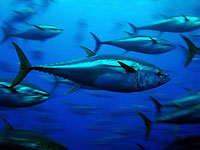
Dry Eye Syndrome - You need tears to help maintain overall eye health and clear vision. However, millions of people - men and women of all ages - suffer from dry eyes. Contact lenses wearers are particularly susceptible. When your eyes don't produce enough tears, they can look red and feel irritated or scratchy, like there's something foreign in there. Light sensitivity and blurred vision are also possible symptoms. Because excessive dry eyes may impair vision, even damage eye tissue, you should see us for proper treatment. You should also wear sunglasses and increase your intake of cold-water fish like tuna (pictured), salmon and herring, which contain omega-3 fatty acids. |